
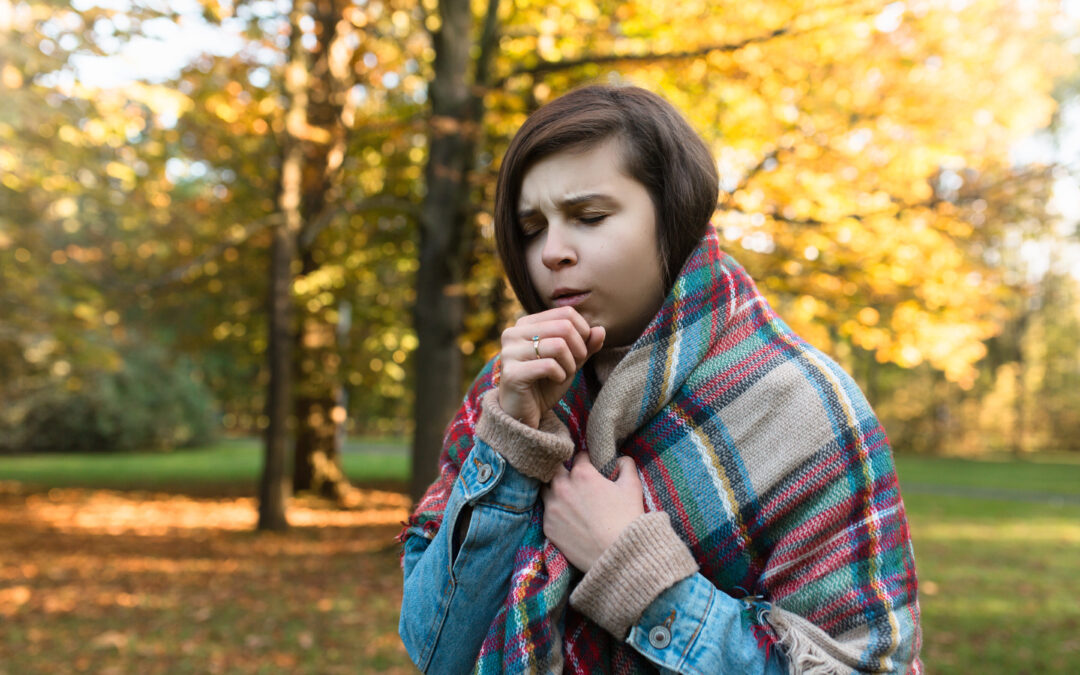
Fall in East Tennessee brings cooler mornings, colorful leaves, school activities, football weekends, and plenty of reasons to get outside before winter arrives. Whether you’re planning a trip to a pumpkin patch, exploring the trails at Ijams Nature Center, or enjoying a seasonal community festival and events, autumn is a busy time of year. Unfortunately, it’s also a season when respiratory symptoms can start interrupting those plans.
Recent Tennessee illness trends suggest that flu-like illness has been rising, although symptoms such as fever, cough, and sore throat can be caused by several different viruses. Nationally, the latest available CDC update reported low flu and RSV activity, while COVID-19 activity remained low overall but was elevated in some areas. These trends can change, so it’s important not to assume that every cough or fever is influenza. Tennessee’s respiratory illness dashboards provide a resource for following statewide trends.
If you’ve started wondering whether your scratchy throat is a common cold, your congestion is caused by fall allergies, or you’re coming down with something more, understanding the differences can help you decide what to do next.
Visit AFC Chapman Highway today.
Is It the Flu, COVID-19, or a Common Cold?
Flu, COVID-19, and the common cold can all affect the respiratory system, but they may begin and progress differently. Because their symptoms overlap, it isn’t always possible to identify the cause based on how you feel alone.
The flu often comes on suddenly. Symptoms may include fever or chills, body aches, headache, fatigue, cough, and a sore throat. Some people feel well one day and noticeably unwell the next. Flu-like illness is worth watching this fall, particularly as seasonal respiratory activity changes across Tennessee.
COVID-19 can cause cough, sore throat, congestion, runny nose, fever, fatigue, headache, and muscle aches. Some people also experience changes in taste or smell, although these symptoms do not occur to everyone. COVID-19 can resemble both a cold and the flu, so testing may help clarify the cause.
The common cold often develops more gradually, with sneezing, a runny or stuffy nose, sore throat, and cough. Fever and significant body aches are generally less common in adults with a typical cold, though symptoms vary. Several viruses can cause colds, and even a mild infection can make it difficult to concentrate at work or keep up with family responsibilities.
Because the symptoms can be so similar, consider testing or seeking an evaluation at AFC Urgent Care when symptoms are significant, persistent, worsening, or difficult to distinguish.
RSV: A Respiratory Illness to Watch
Respiratory syncytial virus, commonly known as RSV, is another virus that circulates during respiratory illness season. It can cause symptoms similar to those of a cold, including a runny nose, congestion, cough, sneezing, fever, and reduced appetite.
RSV deserves particular attention when infants, older adults, or people with certain underlying health conditions become ill. Although many infections cause mild, cold-like symptoms, RSV can sometimes lead to more serious breathing problems.
Watch for signs such as rapid or difficult breathing, dehydration, unusual sleepiness, or symptoms that are getting worse rather than improving. In babies, poor feeding, fewer wet diapers, or difficulty breathing warrant prompt medical attention.
RSV activity can change throughout the season, so it is useful to check current public health information rather than assume that it is either widespread or absent in the community.
Could Fall Allergies Be Causing Your Symptoms?
Not every fall sniffle is an infection. Seasonal allergies can continue into autumn, especially when weeds such as ragweed release pollen. Dry leaves, outdoor debris, and changing weather may also aggravate symptoms for some people.
Allergies commonly cause repeated sneezing, itchy or watery eyes, nasal congestion, and clear nasal drainage. Symptoms may linger or fluctuate depending on outdoor exposure. A fever and pronounced body aches are less typical of allergies and may suggest an infection instead.
One useful clue is how you feel overall. If your eyes are itchy and your nose keeps running whenever you spend time outdoors, allergies may be contributing. If you develop a fever, feel unusually exhausted, or experience a sudden change in symptoms, consider whether an infection could be responsible.
It’s also possible to experience allergies and a respiratory infection at the same time. When symptoms don’t fit one clear pattern, an evaluation at AFC Chapman Highway can help determine whether testing or additional care is appropriate. Walk in or book online today for quick diagnosis and treatment.
Enjoy Fall Without Letting Illness Spoil Your Plans
There is still plenty to enjoy around the Chapman Highway area and beyond. Outdoor destinations such as Ijams Nature Center offer trails and opportunities to explore the changing season, while local farms and markets provide classic autumn activities, including pumpkin picking and corn mazes. Don’t let respiratory illnesses keep you inside or coughing through fall festivities.
A few everyday habits can also help reduce the spread of respiratory illnesses:
- Wash your hands regularly, particularly before eating and after spending time in public places.
- Cover coughs and sneezes and dispose of tissues promptly.
- Improve indoor ventilation when possible.
- Avoid close contact with others when you are feeling sick.
- Stay home when you’re ill and give yourself time to recover.
- Consider testing when symptoms could be caused by flu or COVID-19, especially if the result may affect how you protect others.
These steps cannot prevent every infection, but they can help reduce the chances of passing an illness to family members, coworkers, classmates, and others.
When Should You Visit Urgent Care for Respiratory Symptoms?
Rest and fluids may be enough for mild symptoms that gradually improve. However, consider an evaluation if your fever persists, your cough worsens, your symptoms are not improving as expected, or you are unsure whether you have flu, COVID-19, RSV, or another illness.
Seek emergency medical attention for serious warning signs such as difficulty breathing, persistent chest pain or pressure, new confusion, inability to stay awake, or bluish or gray discoloration of the lips or skin. Severe breathing difficulties should never wait for a routine urgent care visit.
At AFC Urgent Care Chapman Highway, patients can receive evaluation for many common respiratory illnesses, with rapid testing available for flu, COVID-19, strep, and RSV when appropriate. Walk-ins are welcome seven days a week. The clinic is located at 7564 Chapman Highway and provides care for children ages six months and older, as well as adults.
If respiratory symptoms are disrupting your fall routine, an evaluation can help you better understand what may be causing them and what care may be appropriate. Knowing when to rest, when to seek testing, and when to get medical attention can help you look after yourself and the people around you throughout the season.