
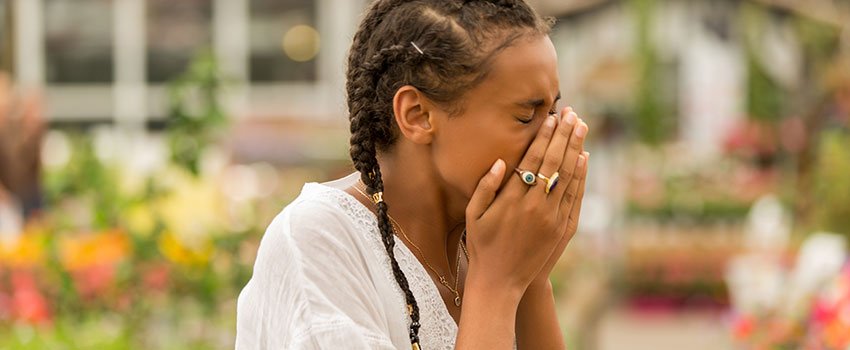
What Causes Seasonal Allergies? Do you feel as though allergy season lasts for the entire year? It is probably because, in a way, it does! Right now, we are at the end of the tree pollen season, which usually occurs at the end of winter and early spring. However, as this comes to an end, ragweed is about to appear in early summer and last until fall. Therefore, it can seem as once one allergy is conquered a new allergy begins, which is why it is important to stay on top of everything you can when it comes to seasonal allergies.
Symptoms of Seasonal Allergies
- Itchy eyes
- Dark circles under the eyes
- Watery eyes
- Swollen sinuses
- Runny or stuffy nose
- Sneezing
- Scratchy throat
- Post-nasal drip
What Can I Do to Prevent Seasonal Allergies?
If possible, try to take an over-the-counter medication, such as Claritin and Zyrtec, which can help to ease allergy symptoms so that you can better manage being outdoors. In addition, you might want to try to see what the pollen count is going to be for the day so that you can see whether you should spend most of your time indoors that day rather than outside.How to Protect Yourself When Heading Outdoors
- Avoid extreme temperature changes.
- Wear a mask when mowing the lawn.
- Wear a mask when gardening.
- If you are allergic to mold, avoid raking leaves or working with mulch.
- Take a shower and change your clothes after being outdoors.